Review: Nurse Nutrition Facts Can Wrap Design
As an embroidery designer who has spent years translating digital concepts into stitched reality, I approach every new machine embroidery design with a mix of curiosity and caution. We have all seen the trend of "nutrition facts" labels adapted for various professions, but the execution often determines whether a product sells or sits on a shelf. Recently, I evaluated the Nurse Nutrition Facts, 16 Oz Can Wrap to determine its viability for real-world applications. This is not just a graphic; it is a potential revenue stream for Etsy sellers and craft business owners if handled correctly.
First Impressions and Visual Personality
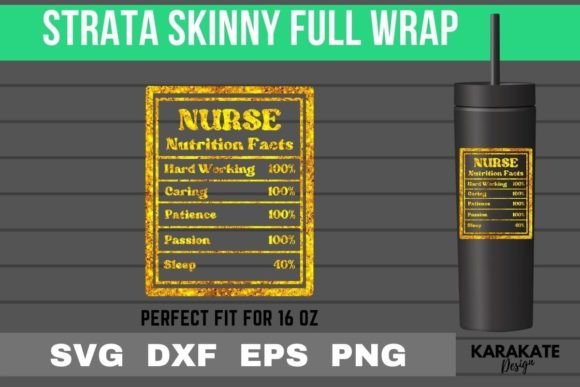
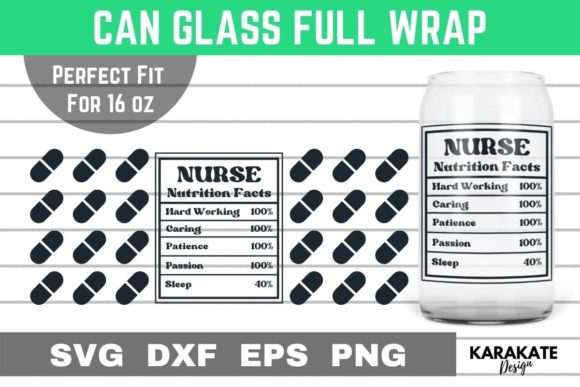
The immediate appeal of this design lies in its humor and relatability. Nurses are a dedicated demographic that appreciates inside jokes, and framing their daily essentials—caffeine, patience, and compassion—as nutritional ingredients is a clever twist. Visually, the layout mimics the familiar FDA label, which creates instant recognition. For a digital embroidery file, clarity is paramount. The text must be legible after the needle pierces the fabric. In my initial assessment, the bold lines and structured layout suggest it will hold up well, provided the stitch count and density are optimized for the chosen material.
This piece falls squarely into the Crafts and Graphics intersection, offering a versatile asset for those creating design assets for multiple platforms. The mood is lighthearted yet professional, making it suitable for both personal gifts and commercial merchandise. It avoids being overly cutesy, which broadens its appeal to a wider age range of nursing professionals.
Real-World Application: The Custom Tote Scenario
To truly test a design, I imagine it in a specific project context. Let us consider a custom order for a local hospital’s nurse appreciation week. The client wants durable, stylish tote bag design options that staff can use for carrying scrubs or lunch. Here, the Nurse Nutrition Facts, 16 Oz Can Wrap shines. A canvas tote provides a stable, flat surface ideal for this type of rectangular, text-heavy design. Unlike curved surfaces like caps, a tote bag allows for maximum visibility of the fine print details.
When stitching this onto a heavy-duty canvas, I would recommend using a cut-away stabilizer to prevent puckering, especially since the design covers a significant area. The contrast between white thread on a navy or black bag would make the "ingredients" pop, enhancing the handmade product aesthetic. Customers react positively to items that feel personalized and relevant to their identity. Seeing their profession celebrated in a witty, clean design builds immediate trust and emotional connection, which is crucial for buyer engagement.
Versatility Across Product Lines
Beyond tote bags, this design has legs in several other categories. For sweatshirt embroidery, placing this on the lower left chest or as a larger back print can create a standout custom apparel piece. However, one must be mindful of the fabric texture. Fleece and terry cloth can swallow small details, so testing on scrap fabric is non-negotiable. If the lettering becomes indistinct, the humor is lost, and the finished product fails to deliver its message.
It also works well for embroidered patch creation. Patches are increasingly popular for adding personality to scrub caps or jackets. By stitching this design onto twill or felt and then cutting it out, you create a versatile accessory that nurses can swap between garments. This expands the utility of a single embroidery file into multiple revenue streams. Additionally, for holiday embroidery gifts, such as Christmas ornaments made from fabric scraps, a miniaturized version could serve as a charming keepsake, though scaling down requires careful attention to stitch density.
Technical Considerations and Pitfalls
While the concept is strong, technical execution makes or breaks the project. The primary challenge with text-based designs like this is readability. Tiny font sizes can merge together when stitched, especially if the thread colors do not offer sufficient contrast against the background fabric. I advise reviewing the design in black and white mockups first to ensure the hierarchy of information remains clear without color reliance.
Another critical factor is the hoop size. Ensure your machine can accommodate the dimensions of the full label. If you are working with a smaller hoop, you may need to split the design or reduce the scale, which risks compromising legibility. For applique design enthusiasts, this layout could be adapted by using fabric pieces for the background box and stitching only the text, reducing stitch count and production time. This technique is particularly useful for commercial embroidery where speed and cost-efficiency matter.
Be cautious with stretchy fabrics like jersey knits used in t-shirts. Without proper stabilization, the rectangular shape of the nutrition label can distort during washing, turning a crisp design into a wavy mess. Always use a tear-away or cut-away stabilizer appropriate for the fabric weight. For baby embroidery items, while the theme might not fit, the technical lesson applies: delicate fabrics require lighter density settings to prevent stiffness.
Designer Notes for Best Results
Before launching this as a small shop product, take these practical steps. First, verify the file formats included. The product description notes an INSTANT DOWNLOAD with SVG, DXF, EPS, and PNG files. Note that these are primarily vector and raster graphics, not native machine embroidery formats like PES or DST. You will need embroidery software to convert these graphics into stitch files, allowing you to control satin stitch widths, fill stitch angles, and running stitch outlines. This conversion step is vital for quality control.
- Test on Scrap Fabric: Never stitch directly on the final garment. Test on similar material to check for puckering or thread breaks.
- Check Thread Contrast: Ensure the text color stands out sharply against the fabric. High contrast improves readability and perceived value.
- Review Stitch Density: Adjust density based on fabric thickness. Too dense on thin fabric causes tearing; too light on thick fabric looks sparse.
- Confirm Licensing: Since this is a digital asset, confirm if the license permits commercial use for finished goods. Most designers allow selling physical items but restrict reselling the digital file itself.
- Inspect Small Details: Zoom in on the converted stitch file to ensure no tiny elements are too small for the needle to execute cleanly.
Final Verdict on Commercial Viability
The Nurse Nutrition Facts, 16 Oz Can Wrap is a solid contender for personalized gift markets and niche apparel. Its strength lies in its specific audience targeting and clean, recognizable layout. For creative entrepreneurs and makers, it offers a straightforward path to creating high-demand items like tote bags, patches, and sweatshirts. However, success depends entirely on the technical preparation. Converting the provided graphics into a well-optimized embroidery file is the key step. Do not skip the digitizing phase. By paying attention to fabric texture, stabilizer choice, and thread selection, you can transform this graphic into a premium embroidery project that resonates with customers and enhances your brand’s reputation for quality.
In the competitive world of handmade shop sales, distinctiveness matters. This design provides that spark of personality. Whether you are preparing for a craft fair or updating your online store, integrating this design with thoughtful execution can lead to increased customer satisfaction and repeat business. Just remember: the design is only as good as the stitches that bring it to life.