Reviewing Mother Baby Nurse T-shirt Sublimation for Embroidery
As a designer who has spent years translating digital concepts into tangible threads, I approach every new machine embroidery design with a mix of curiosity and caution. The market is flooded with generic clipart, but occasionally, a piece stands out for its emotional resonance and structural potential. Recently, I evaluated the Mother Baby Nurse T-shirt Sublimation graphic by Sarotiart. While originally marketed as a sublimation print for apparel, my focus was on how this unique and creative asset translates when adapted for needlework. For crafters, Etsy sellers, and boutique owners, understanding the difference between a flat print and a stitched reality is crucial for maintaining product quality and customer trust.
First Impressions and Visual Personality
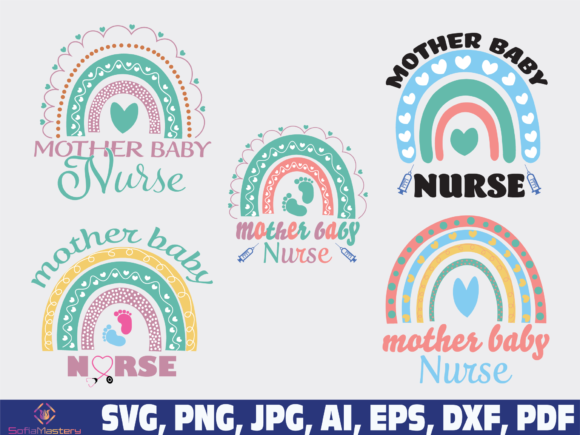
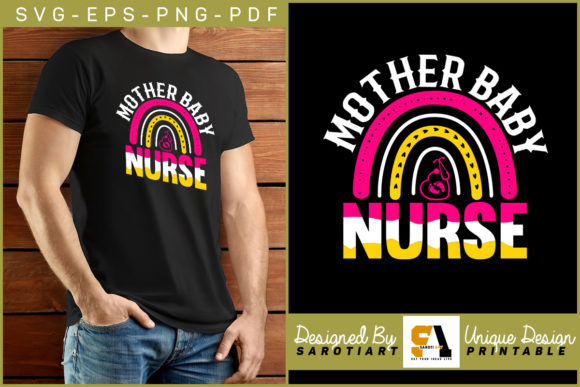
The initial appeal of the Mother Baby Nurse T-shirt Sublimation lies in its thematic clarity. It speaks directly to "Mom Lovers" and professionals in the healthcare field, creating an immediate emotional connection. From a design perspective, the layout appears balanced, avoiding the clutter that often plagues niche-specific graphics. The mood is warm and professional, striking a delicate balance between the tenderness of motherhood and the competence of nursing.
When I visualize this Graphics asset becoming an embroidery project, I look at the line weight and negative space. A design that works well for sublimation often relies on smooth gradients and fine details. In embroidery, we must translate these visual cues into satin stitch, fill stitch, or running stitch techniques. The success of this design in thread form depends heavily on how well the central motifs hold up without the benefit of photographic realism. If the original art features intricate shading, we must simplify it for stitching to prevent a muddy appearance.
Real-World Application: Beyond the T-Shirt
While the title suggests a t-shirt application, limiting this design to cotton tees would be a missed opportunity for any serious craft business. I recently worked on a custom order for a local clinic’s appreciation event, where I needed a versatile motif for various items. This is where adapting a sublimation-style graphic into an applique design or a dense fill becomes valuable.
Consider a heavy-weight tote bag. Using the Mother Baby Nurse T-shirt Sublimation concept as a basis for a large hoop embroidery allows for bold statement pieces. The design’s theme fits perfectly on tote bag design projects for nurses carrying shift essentials. Similarly, for sweatshirt embroidery, the warmth of the fabric complements the nurturing theme of the artwork. However, one must be mindful of the stitch density. A sweatshirt requires a different stabilizer approach than a lightweight tee to prevent puckering, especially if the design covers a significant surface area.
For smaller items, such as a personalized gift like a baby onesie or a nursery pillow cover, scaling down is essential. The charm of baby embroidery lies in delicacy. If the original graphic has tiny text or fine lines, they may need to be removed or thickened to ensure they stitch out cleanly on small hoop size formats, such as a 4x4 inch frame.
Technical Considerations for Stitchers
Transitioning from a digital image to a physical finished product requires technical diligence. Here are the critical factors I evaluate before committing to a full production run:
- Fabric Texture and Stability: Sublimation designs assume a smooth polyester blend. Embroidery, however, interacts with the weave of the fabric. On textured fabrics like linen or waffle-knit towels, fine details can get lost. Always test the design on scrap fabric first to see how the thread colors interact with the material’s texture.
- Stitch Density and Pull: If you are digitizing this graphic yourself or purchasing a converted digital embroidery file, check the stitch count. High density on stretchy fabrics, such as jersey knits used in t-shirts, can cause distortion. Using a cut-away stabilizer is often necessary to maintain the integrity of the design after washing.
- Color Contrast: Sublimation allows for millions of colors; embroidery is limited by your thread palette. Ensure there is sufficient contrast between the design elements and the background fabric. A dark design on a dark navy scrub top will vanish. Use black and white mockups to verify readability before stitching.
- Small Details and Lettering: If the design includes text, verify that the font size is legible when stitched. Tiny lettering often merges into a blob of thread. For commercial embroidery projects, clarity is paramount for brand consistency and professionalism.
Commercial Viability and Brand Consistency
For Etsy seller accounts and small shop owners, the perceived value of an item is tied to its execution. A well-stitched embroidered patch or apron featuring this theme can command a higher price point than a simple printed shirt because of the labor and skill involved. The tactile nature of embroidery adds a layer of luxury and care that resonates with buyers looking for holiday embroidery gifts or nurse appreciation presents.
However, licensing is a non-negotiable aspect of running a legitimate small shop product line. The description notes the design is made by Sarotiart, but it does not explicitly state the terms for commercial use of the digitized version. Before selling design assets or finished goods, you must confirm whether the license covers commercial embroidery. Many sublimation designs are licensed for print-only. If you are digitizing this yourself, ensure you have the right to create derivative works for sale. Ignoring this step can lead to copyright issues that jeopardize your craft business.
Final Verdict for Makers
The Mother Baby Nurse T-shirt Sublimation offers a strong foundation for creative adaptation. Its emotional appeal makes it a high-potential candidate for custom apparel and personalized keepsakes. However, success lies in the translation. Do not simply assume a print-ready file will stitch well. Take the time to adjust for fabric texture, optimize stitch density, and choose appropriate thread colors.
Whether you are creating a printable mockup for your online store or stitching a real holiday gift, treat this design as a starting point for craftsmanship. By respecting the limitations and possibilities of embroidery, you can turn a simple graphic into a cherished heirloom or a best-selling item in your boutique. Always prioritize quality control, test extensively, and ensure your licensing is clear. This approach builds customer trust and establishes your reputation as a skilled artisan in the competitive world of handmade goods.